
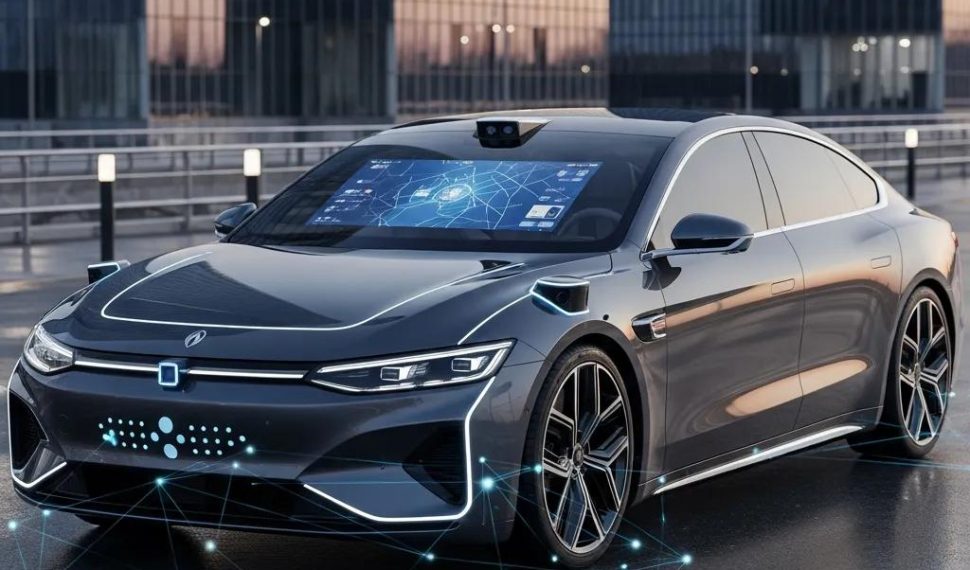
Cybersecurity Challenges in Connected Cars
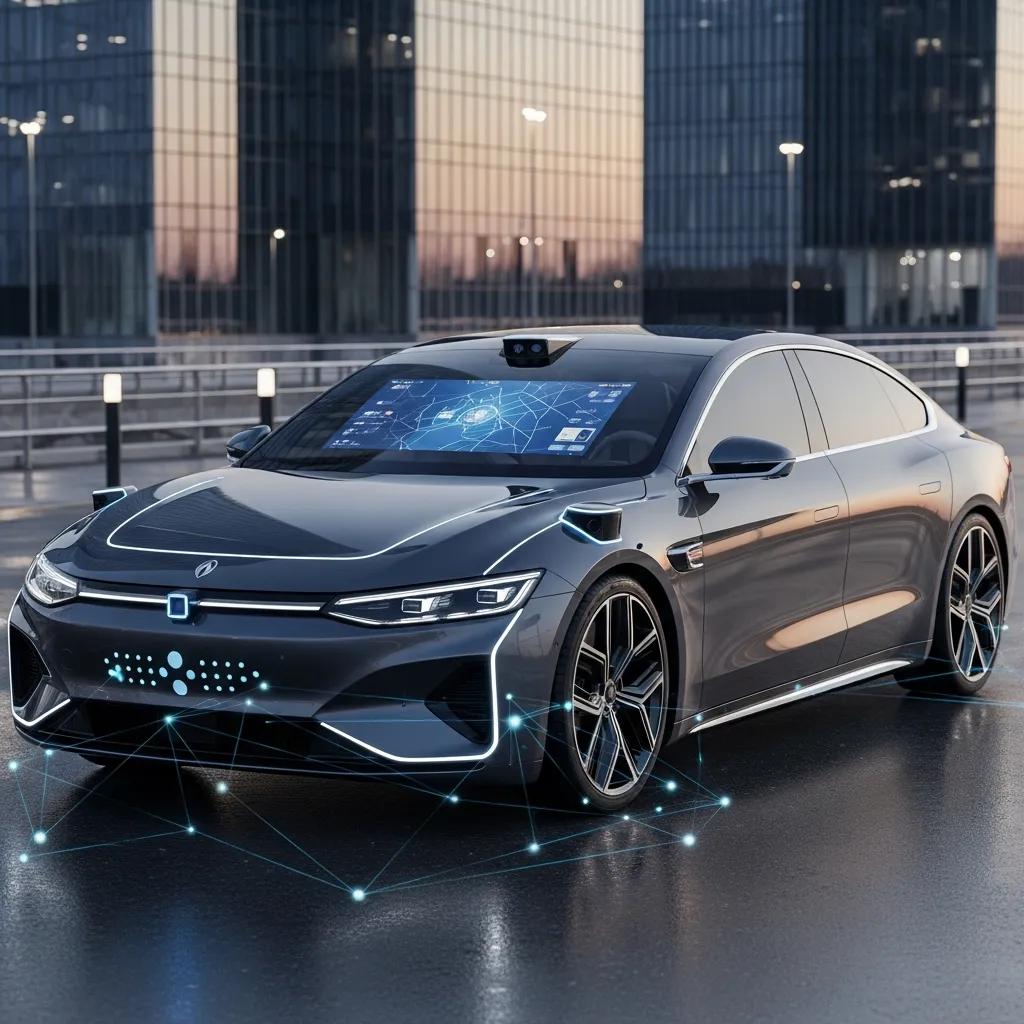
Securing Connected Cars: Cybersecurity Challenges and Passenger Safety
As the automotive industry embraces connectivity, the rise of connected cars brings significant cybersecurity challenges that must be addressed to ensure passenger safety. Connected vehicles, equipped with advanced technologies, are increasingly vulnerable to cyber threats that can compromise both vehicle functionality and user data. This article explores the primary cybersecurity threats facing connected cars, the attack vectors that expose these vehicles to risks, and the advanced data protection methods that can safeguard their systems. Additionally, we will discuss how these cybersecurity issues impact passenger safety and trust in luxury transportation services, particularly in the context of premium limousine providers like Big Limos.
Further research emphasizes the comprehensive nature of these challenges, particularly concerning the evolving threat landscape and critical privacy considerations.
Connected Vehicle Cybersecurity: Threat Landscape & Privacy
This paper explores the evolving threat landscape associated with connected vehicles, highlighting the critical need for robust cybersecurity and privacy concerns. It also discusses strategies for building resilient and legally compliant connected vehicle systems.
Connected and exposed: Cybersecurity risks, regulatory gaps, and public perception in internet-connected vehicles, L Erdodi, 2025
What Are the Primary Cybersecurity Threats Facing Connected Vehicles?
Connected vehicles face a variety of cybersecurity threats that can lead to severe consequences. These threats include hacking of vehicle systems, data breaches, and malware attacks. Hacking can allow unauthorized access to critical vehicle functions, potentially leading to dangerous situations on the road. Data breaches can expose sensitive information about passengers, while malware attacks can disrupt vehicle operations and compromise safety features. Understanding these threats is crucial for developing effective cybersecurity strategies to protect connected vehicles and their occupants.
Understanding Automotive Cyber Attack Vectors and Risks
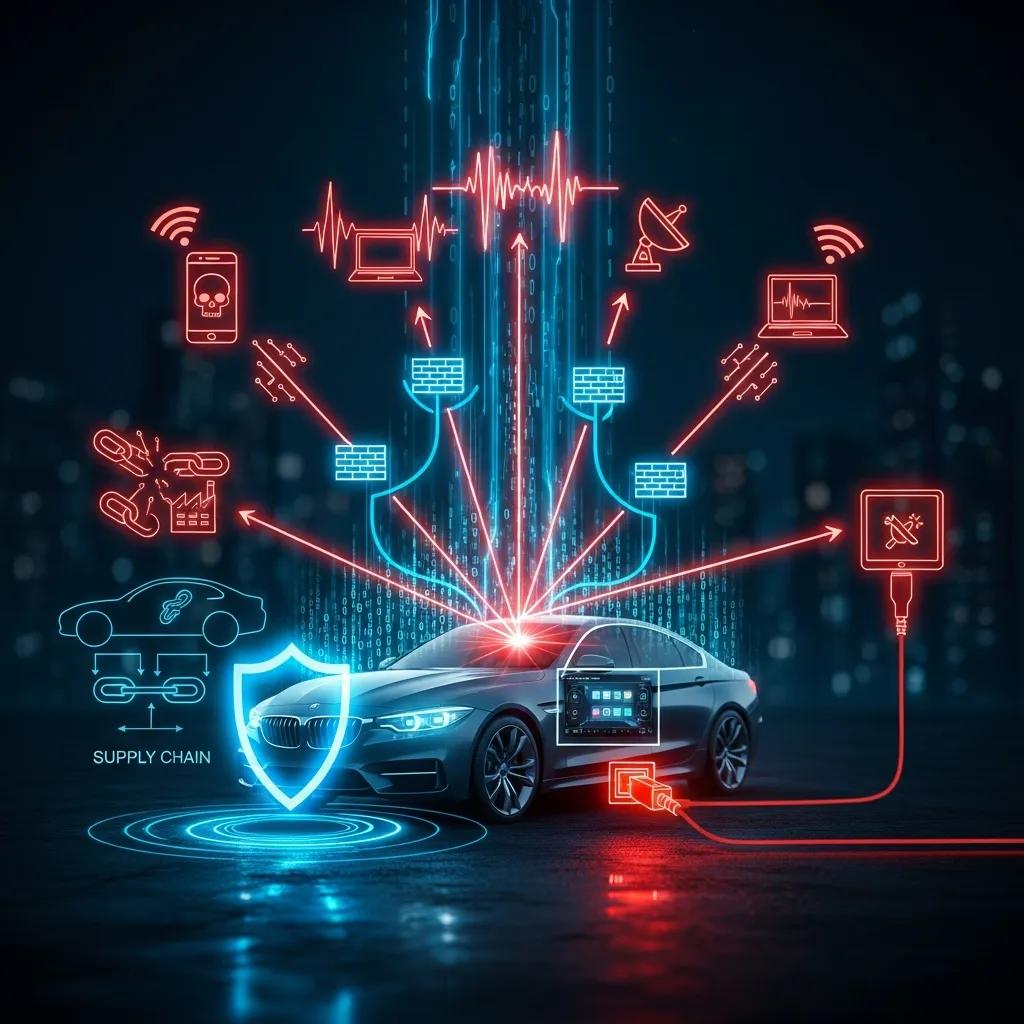
Automotive cyber attack vectors refer to the various pathways through which cybercriminals can exploit vulnerabilities in connected vehicles. These vectors include wireless communication systems, onboard diagnostics ports, and vehicle-to-everything (V2X) communication channels. Each vector presents unique risks, such as unauthorized access to vehicle controls or interception of sensitive data. The impact of these attacks can range from minor inconveniences to catastrophic failures, highlighting the need for robust cybersecurity measures to mitigate these risks.
How Vehicle Network Vulnerabilities Expose Connected Cars to Threats
Vehicle networks, which connect various electronic control units (ECUs) and systems, can harbor vulnerabilities that cybercriminals exploit. Common vulnerabilities include weak authentication protocols, outdated software, and insufficient encryption. When these vulnerabilities are exploited, the consequences can be dire, leading to unauthorized control of vehicle functions or data theft. Preventive measures, such as regular software updates and enhanced security protocols, are essential to protect against these threats and ensure the integrity of vehicle networks.
Which Advanced Data Protection Methods Safeguard Connected Car Systems?
To effectively safeguard connected car systems, several advanced data protection methods can be employed. These methods include:
- Encryption Techniques: Encrypting data transmitted between the vehicle and external systems helps protect sensitive information from interception.
- Regular Software Updates: Keeping vehicle software up to date ensures that known vulnerabilities are patched, reducing the risk of exploitation.
- Intrusion Detection Systems: Implementing systems that monitor for unusual activity can help detect and respond to potential cyber threats in real-time.
These methods are crucial for maintaining the security of connected vehicles and protecting passenger data.
Specifically, the implementation of Intrusion Detection Systems is a critical defense mechanism, with advanced research exploring deep learning approaches to enhance their effectiveness.
Deep Learning for Connected Car Intrusion Detection
Developments in connected and autonomous vehicle technologies provide drivers with many convenience and safety benefits. Unfortunately, as connectivity and complexity within vehicles increase, more entry points or interfaces that may directly or indirectly access in-vehicle networks (IVNs) have been introduced, causing a massive rise in security risks. An intrusion detection system (IDS) is a practical method for controlling malicious attacks while guaranteeing real-time communication.
In-vehicle network intrusion detection systems: a systematic survey of deep learning-based approaches, 2023
Exploring Car Data Encryption Techniques for Enhanced Security
Data encryption techniques play a vital role in enhancing the security of connected cars. By converting sensitive information into a coded format, encryption ensures that even if data is intercepted, it remains unreadable to unauthorized parties. Various encryption methods, such as symmetric and asymmetric encryption, can be utilized depending on the specific requirements of the vehicle’s communication systems. The implementation of robust encryption protocols is essential for safeguarding passenger information and maintaining trust in connected vehicle technologies.
Role of In-Vehicle Network Security in Preventing Unauthorized Access
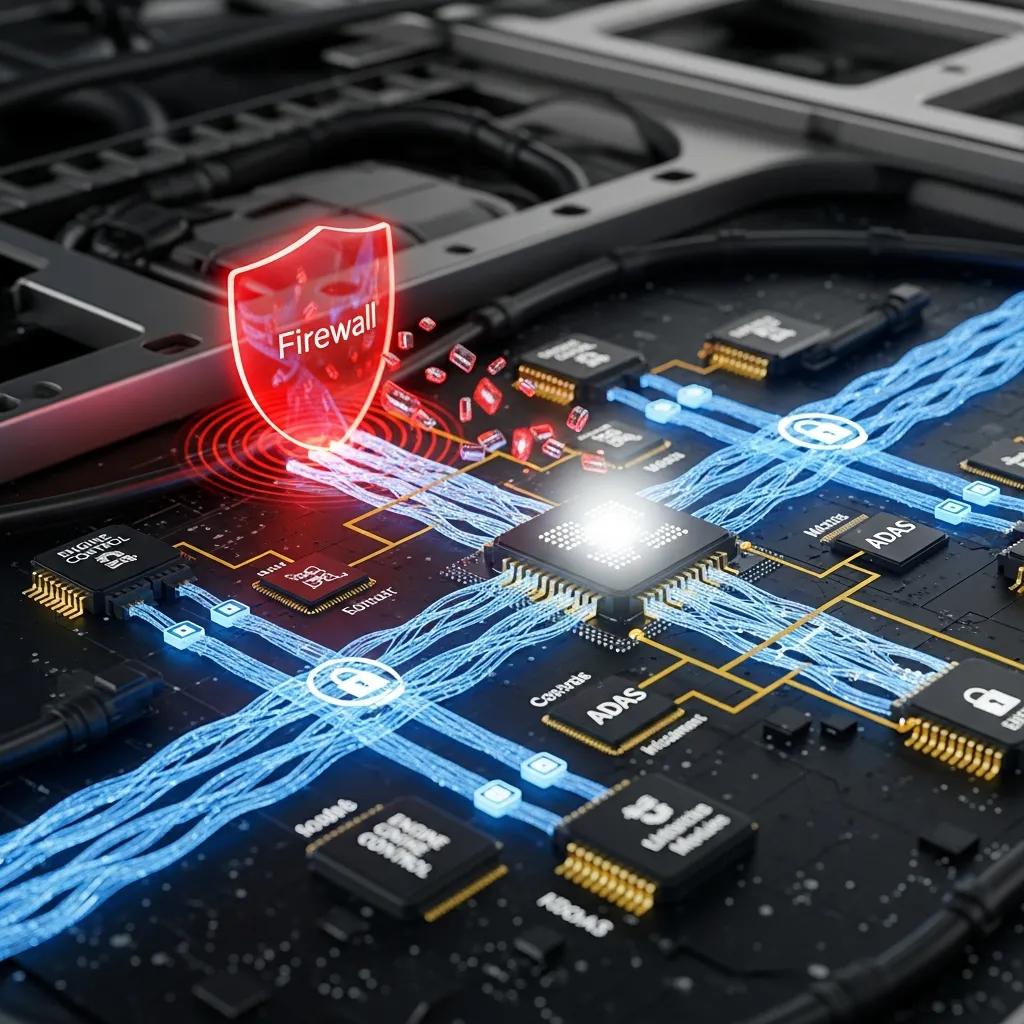
In-vehicle network security is critical for preventing unauthorized access to vehicle systems. This involves implementing security measures such as firewalls, secure communication protocols, and access controls to protect against external threats. By ensuring that only authorized users can access sensitive vehicle functions, manufacturers can significantly reduce the risk of cyber attacks. Best practices in in-vehicle network security also include regular security assessments and updates to address emerging threats.
How Does Cybersecurity Impact Passenger Safety and Trust in Luxury Transportation?
Cybersecurity plays a significant role in passenger safety and trust, especially in luxury transportation services. Passengers expect their vehicles to be secure and their personal information to be protected. Breaches in cybersecurity can lead to safety concerns and erode trust in luxury brands. For companies like Big Limos, ensuring robust cybersecurity measures is essential not only for compliance but also for maintaining customer confidence. By implementing advanced security protocols and transparent communication about safety measures, luxury transportation providers can enhance passenger trust and satisfaction.
What Exclusive Measures Does Big Limos Employ to Ensure Vehicle Cybersecurity?
Big Limos employs several exclusive measures to ensure vehicle cybersecurity, focusing on bespoke security protocols tailored for their premium limousine fleet. These measures include:
- Regular Security Audits: Conducting thorough assessments of vehicle systems to identify and address potential vulnerabilities.
- Compliance with Regulatory Standards: Adhering to industry regulations and best practices to ensure the highest level of security.
- Customer Assurance Programs: Providing passengers with information about the security measures in place to enhance their confidence in the service.
By prioritizing cybersecurity, Big Limos not only protects its fleet but also reinforces its commitment to passenger safety.
Bespoke Security Protocols Tailored for Premium Limousine Fleets
The bespoke security protocols implemented by Big Limos are designed to address the unique challenges faced by premium limousine fleets. These protocols include customized security solutions that cater to the specific needs of luxury vehicles, ensuring that all systems are fortified against potential cyber threats. Collaboration with IT professionals and continuous monitoring of security measures are integral to maintaining the effectiveness of these protocols.
Integrating Regulatory Compliance and Cutting-Edge Cyber Defense Standards
Integrating regulatory compliance with cutting-edge cyber defense standards is essential for ensuring the security of connected vehicles. Compliance with industry regulations not only helps protect passenger data but also establishes a framework for implementing advanced security measures. By staying informed about the latest cybersecurity trends and technologies, companies can enhance their defenses against evolving threats and maintain a competitive edge in the luxury transportation market.