
Title
The funeral services industry relies on a specialized segment of vehicle manufacturers who understand the unique requirements of handling the deceased with dignity and professionalism. Funeral car manufacturers have pioneered innovative designs that combine safety, aesthetics, and functional excellence. These vehicles, known as hearses and funeral coaches, represent the intersection of automotive engineering and respectful ceremony.
Understanding Funeral Vehicle Manufacturing
Funeral car manufacturers produce some of the most specialized vehicles on the road. Unlike conventional automotive production, these manufacturers must balance multiple competing requirements: durability, elegance, safety compliance, and the ability to handle sensitive cargo with the utmost care. The vehicles they produce serve as a symbol of respect during one of life’s most important ceremonies.
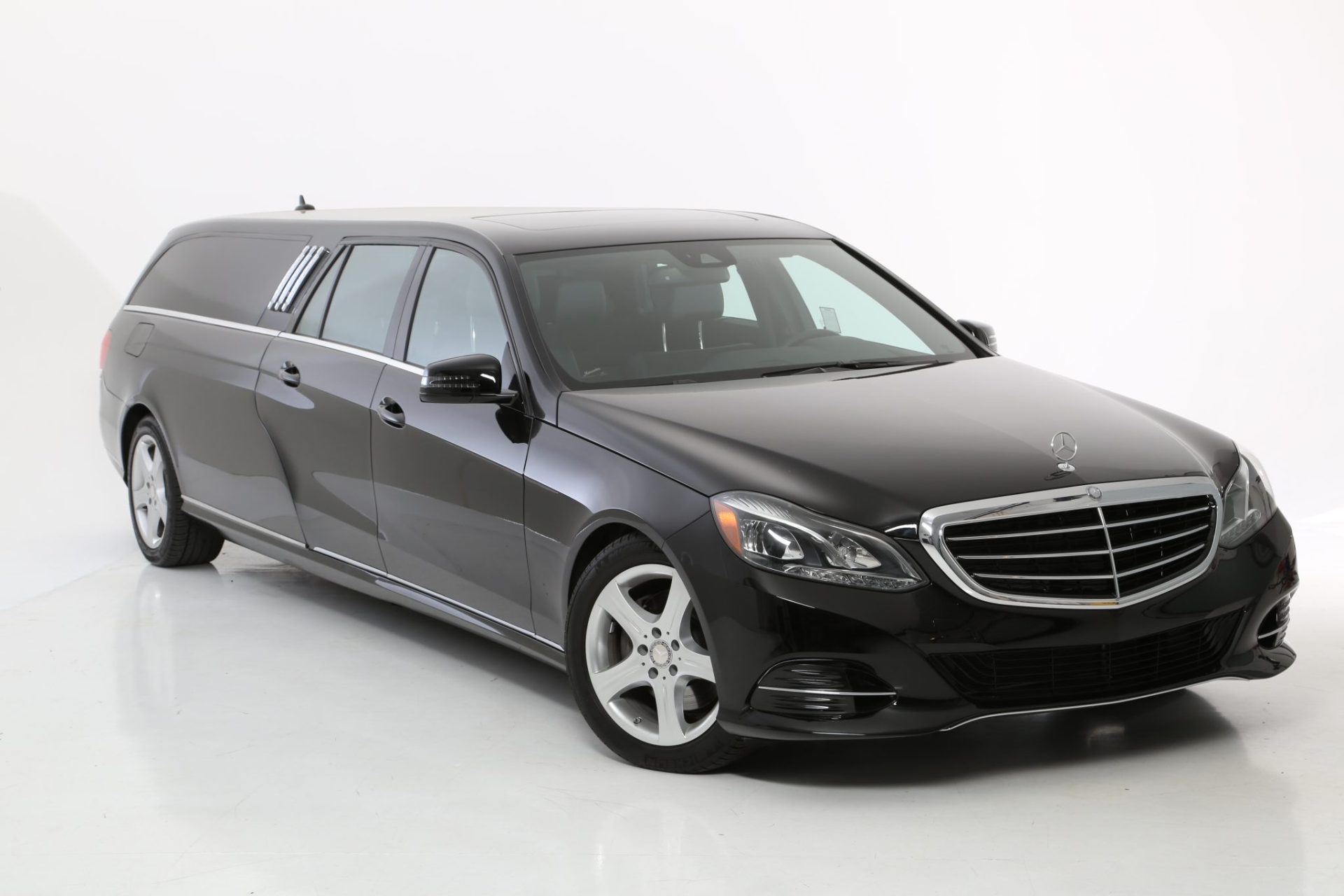
Modern funeral cars begin with quality chassis from established automotive platforms. Manufacturers then work with specialized conversion shops that modify the vehicle to create a funeral coach. These modifications include reinforced flooring systems, specialized lighting, climate control enhancements, and custom suspension tuning to ensure smooth, stable ride characteristics. The exterior receives custom coachwork featuring polished wood trim, stainless steel accents, and elegant curves that convey both dignity and sophistication.
Leading Funeral Car Manufacturers and Suppliers
Several companies have established themselves as leaders in funeral vehicle manufacturing. Federal Coach Works, established in 1923, remains one of the oldest manufacturers in the industry, known for combining traditional craftsmanship with modern engineering. Sayers & Sayers Funeral Equipment has built a reputation for innovation and quality control in hearse production. Superior Coach, Miller-Meteor, and Eureka have all contributed significantly to the development of funeral vehicle standards.
These manufacturers work closely with both funeral directors and the families they serve, understanding that a funeral coach is more than transportation—it’s part of a meaningful ceremony. Each vehicle produced undergoes rigorous quality testing to ensure it meets both functional and aesthetic standards.
Engineering and Specifications
The engineering that goes into funeral car manufacturing is substantial. A typical hearse conversion includes:
Suspension Systems: Specialized suspension tuning ensures that the ride remains smooth even when transporting its sacred cargo. Manufacturers often upgrade shock absorbers, springs, and stabilizer bars to create a more composed ride than the stock vehicle.
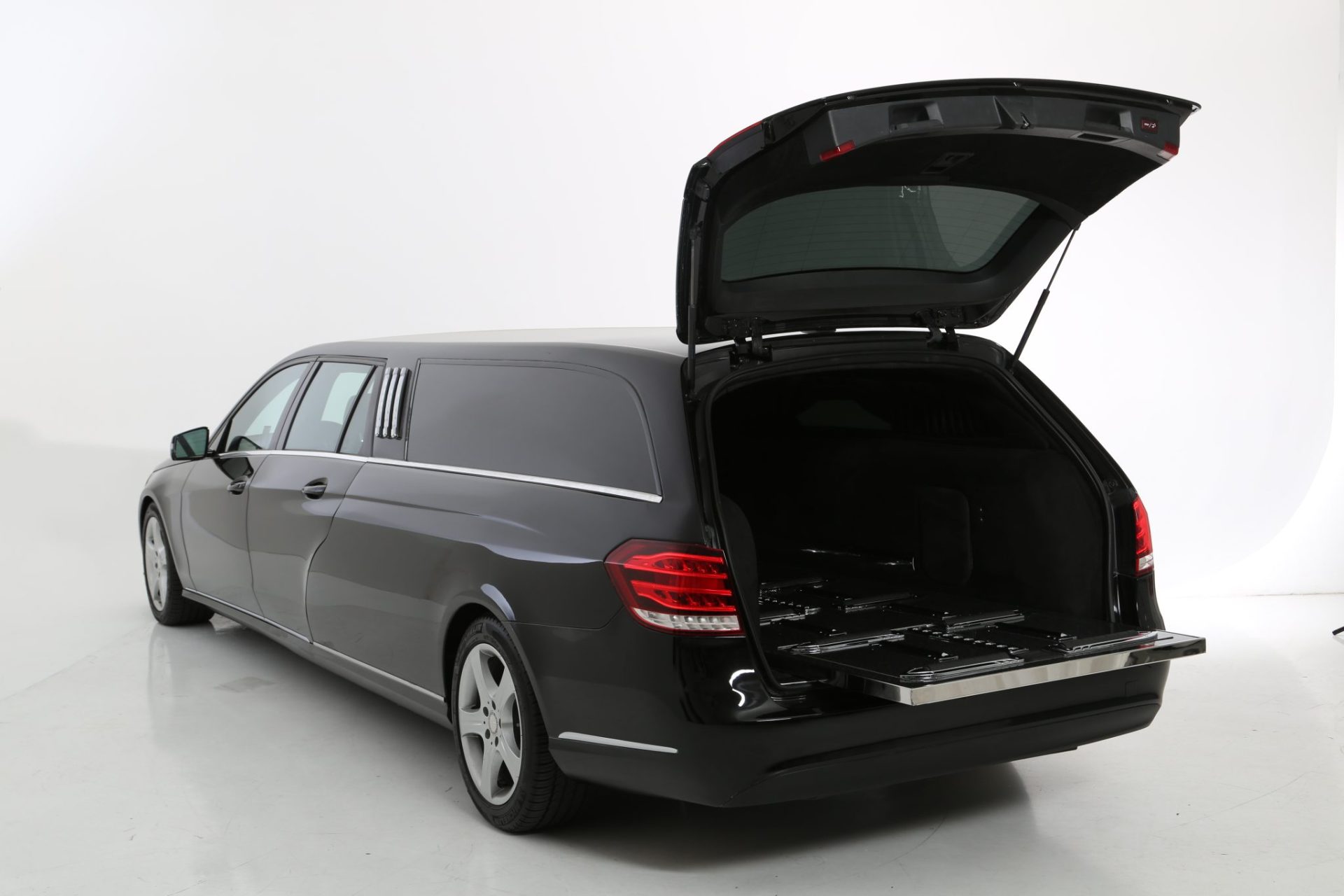
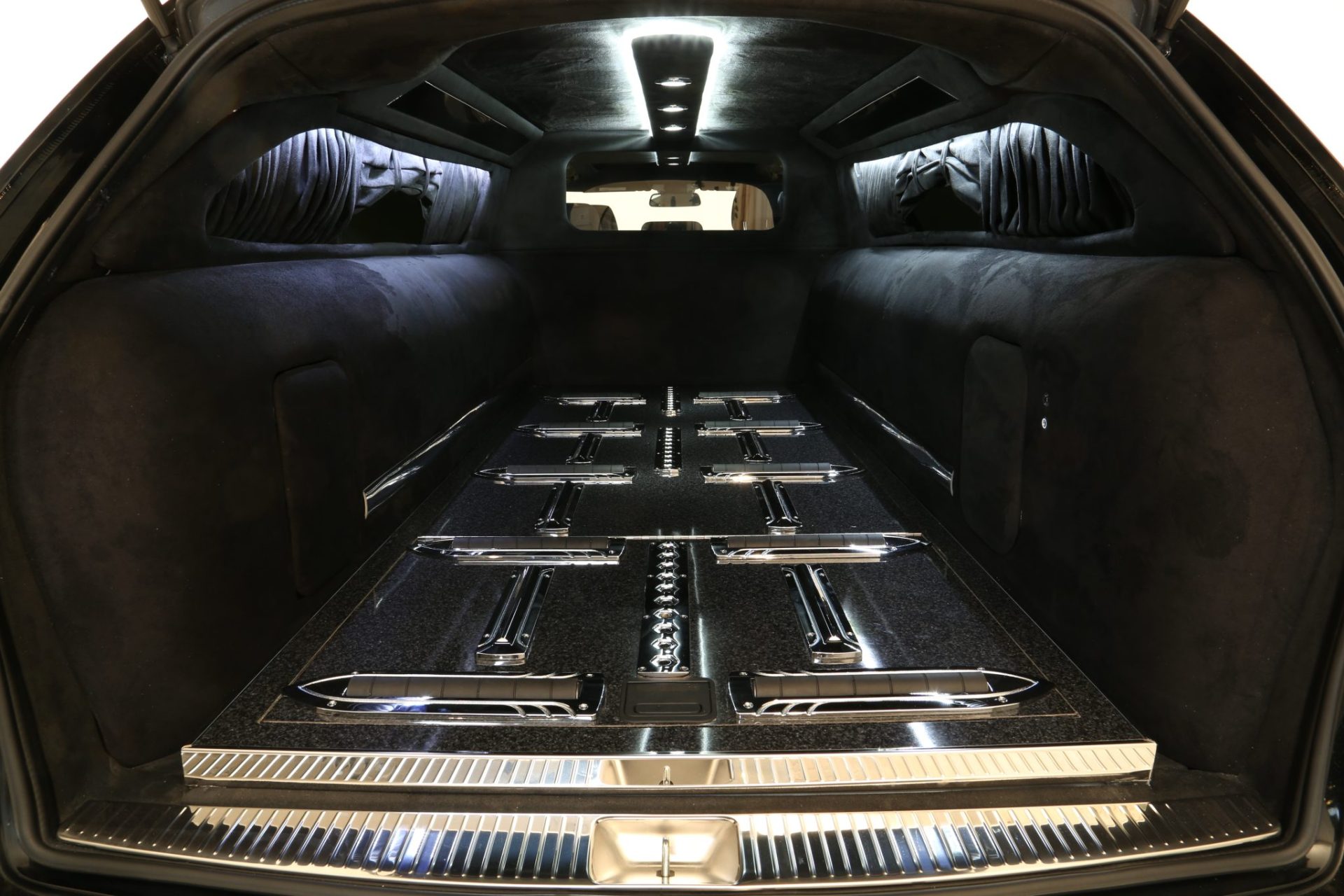
Flooring and Casket Support: The floor structure must be reinforced to safely handle the weight of a casket and support mechanisms. Many hearses feature a power-operated catafalque—the platform on which the casket rests—allowing smooth, dignified loading and positioning.
Climate Control: Climate-controlled interiors protect the deceased and maintain appropriate environmental conditions. Specialized HVAC systems ensure even temperature distribution throughout the vehicle.
Lighting Design: Interior lighting is carefully designed to create an atmosphere of calm respect. Many hearses feature customizable lighting that funeral directors can adjust to match specific ceremonies.
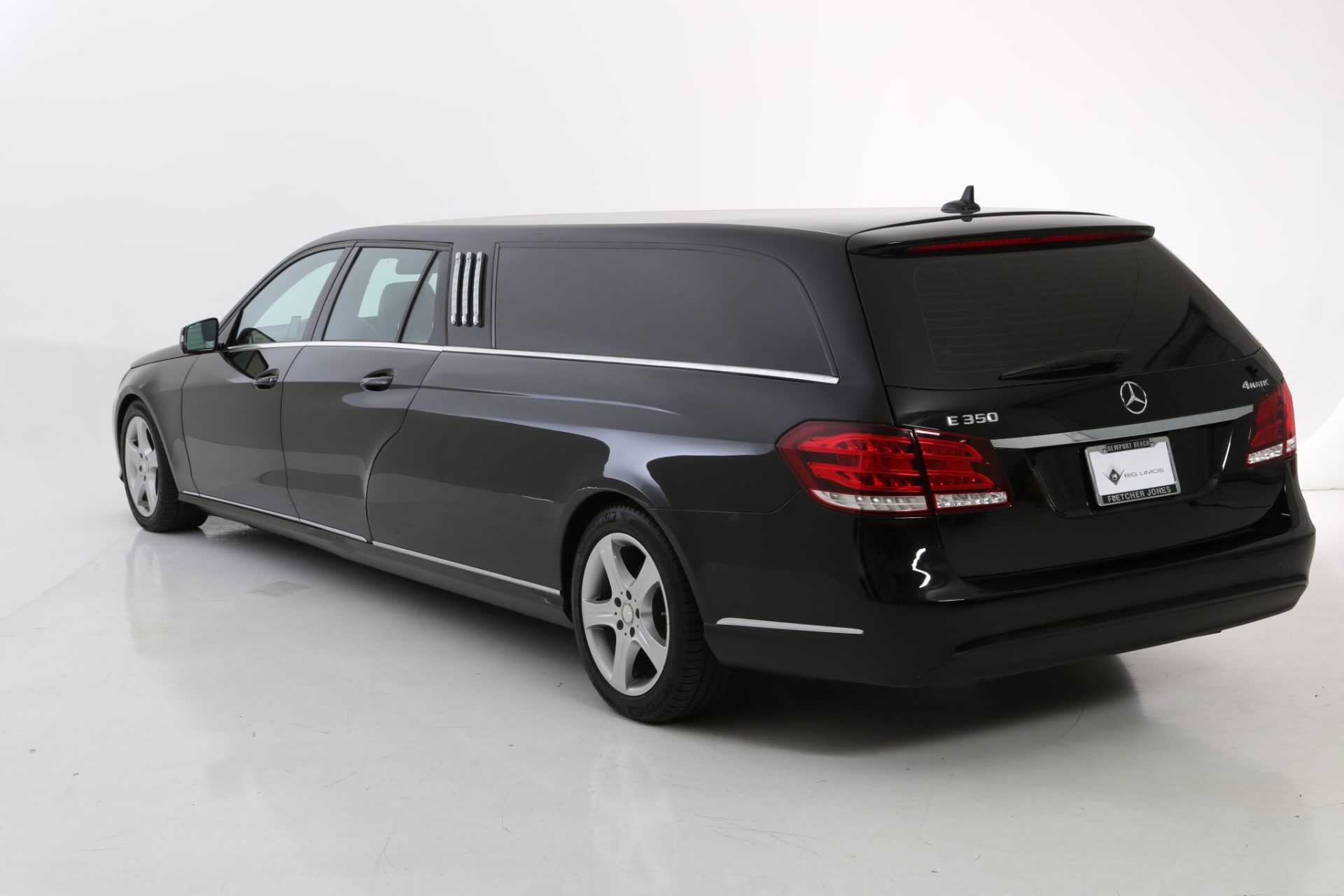
Exterior Coachwork: The coach body is typically constructed from fiberglass or aluminum, then detailed with wood trim, stainless steel accents, and custom paint finishes. This work requires both artistic sensibility and precision engineering.
Regulatory Compliance and Safety Standards
Funeral car manufacturers must comply with all federal motor vehicle safety standards, just like conventional vehicle manufacturers. This includes:
- Federal Motor Vehicle Safety Standards (FMVSS) compliance
- Environmental Protection Agency (EPA) emissions standards
- Department of Transportation (DOT) regulations
- State-specific licensing and registration requirements
Beyond basic compliance, many manufacturers exceed minimum standards, incorporating advanced safety features like backup cameras, collision avoidance systems, and reinforced structural elements. The vehicles must pass rigorous inspections before being certified for funeral service use.
The Customization Process
Today’s specialty vehicle manufacturers understand that funeral coaches often represent significant investments for funeral homes. Custom builders offer various levels of customization, from standard production models to fully bespoke vehicles. A funeral director might request specific wood finishes, custom paint colors, or enhanced interior appointments. The best manufacturers—like those who specialize in stretching the wheelbase for custom applications—can accommodate these requests while maintaining quality standards and meeting all regulatory requirements.
This level of customization requires skilled craftspeople, rigorous quality control, and deep understanding of both automotive engineering and the funeral services profession. Precision manufacturing processes ensure that each vehicle meets exact specifications and quality benchmarks.
Market Trends and Industry Evolution
The funeral services industry continues to evolve, and funeral car manufacturers have adapted accordingly. Several trends are shaping the market:
Sustainability: Manufacturers are exploring more fuel-efficient engines and exploring alternative powertrains. Electric funeral coaches may represent the future of the industry.
Technology Integration: Modern hearses increasingly feature integrated technology, from GPS navigation to digital communication systems that allow funeral directors to coordinate events seamlessly.
Modular Design: Some manufacturers are developing modular systems that allow for easier customization and maintenance while reducing production time and costs.
Demographic Shifts: Changing preferences around end-of-life services are influencing design and manufacturing approaches.
Quality Control and Standards
Leading funeral car manufacturers maintain rigorous quality control standards. This includes:
- Component testing and validation
- Assembly verification at multiple production stages
- Final vehicle inspection and certification
- Post-delivery support and warranty coverage
These quality control standards reflect the manufacturers’ understanding that they’re producing vehicles that play a crucial role in meaningful ceremonies. The reputation of a funeral car manufacturer depends entirely on the quality, reliability, and dignity their vehicles provide.
The Craftsmanship Behind the Design
Creating a funeral coach is as much an art as a science. The designers and builders who work for leading manufacturers combine automotive engineering expertise with an understanding of ceremony, dignity, and symbolic representation. Every curve, every finish, every detail serves a purpose—both functional and ceremonial.
The wood trim found in many hearses often comes from premium sources and is finished to exacting standards. The metalwork—typically stainless steel—must be both beautiful and functional, withstanding years of use while maintaining its appearance. The paint finish must convey elegance and professionalism while protecting the underlying structure.
Partnerships and Industry Network
Funeral car manufacturers often work within a broader network of suppliers, from chassis providers to specialized materials suppliers. These partnerships ensure that manufacturers can access the best components while maintaining quality standards across the industry. The network also facilitates knowledge sharing and continuous improvement in design and manufacturing processes.
Looking Forward: Innovation in Funeral Services
The funeral services industry continues to evolve, and manufacturers are leading the way in innovation. Advanced manufacturing techniques, including computer-aided design (CAD), robotic assembly systems, and quality control standards, are improving consistency and efficiency. At the same time, artisanal craftsmanship remains central to the appeal of quality funeral coaches.
Future funeral car manufacturers will likely face new challenges and opportunities, from environmental regulations to changing consumer preferences. The manufacturers who succeed will be those who can balance innovation with tradition, modern technology with the timeless values of dignity and respect.
Title

- Builds, Funeral Cars, Rolls Royce
- July 27, 2023
- Builds, Funeral Cars, Mercedes Benz
- May 15, 2023
- Funeral Cars
- February 17, 2016
- Funeral Cars
- February 17, 2016
- Funeral Cars
- February 17, 2016