
Impact of Global Economic Indicators on Luxury
Impact of Global Economic Indicators on Luxury Market Growth Factors and Wealth Trends
The relationship between global economic indicators and the luxury market is a complex tapestry woven from various elements such as GDP growth, inflation, and consumer spending habits. As we delve into this topic, readers will gain insight into how these economic metrics directly influence luxury consumption behaviors and trends in wealth distribution. Understanding these dynamics is critical for stakeholders within the luxury industry, as shifts in economic indicators can profoundly impact market performance. This article will explore the key economic factors affecting the luxury market, the role of wealth distribution, the influence of regional economic changes, and how brands adjust their strategies in response to these fluctuations.
Which Global Economic Indicators Most Influence Luxury Market Dynamics?
Global economic indicators serve as crucial barometers for assessing luxury market dynamics. The primary indicators include Gross Domestic Product (), inflation rates, and consumer confidence indices. These measurements provide insight into consumer purchasing power and overall economic health, which are significant predictors of luxury goods consumption.
How Does GDP Growth Correlate with Luxury Goods Consumption?
growth serves as a primary indicator of economic health and directly correlates with luxury goods consumption. When increases, disposable income typically rises, allowing consumers to spend more on high-end products. Historical data showcases that luxury markets flourish during periods of robust economic growth, with luxury sales often outpacing general retail performance. For instance, luxury goods sales saw a notable increase of around 15% globally during certain years of significant growth, illustrating the strong link between economic performance and luxury consumption trends.
In What Ways Does Inflation Affect High Net Worth Consumer Behavior?
Inflation presents both challenges and opportunities for high net worth individuals (). As inflation rises, the purchasing power of consumers may decline, leading to shifts in spending habits. Research indicates that during periods of high inflation, may focus on acquiring luxury items that retain or increase their value, such as fine art and classic cars, rather than everyday luxury goods. Consequently, brands must adapt their offerings to align with the evolving preferences of affluent consumers during inflationary periods.
How Does Wealth Distribution Shape Trends in Luxury Consumption?
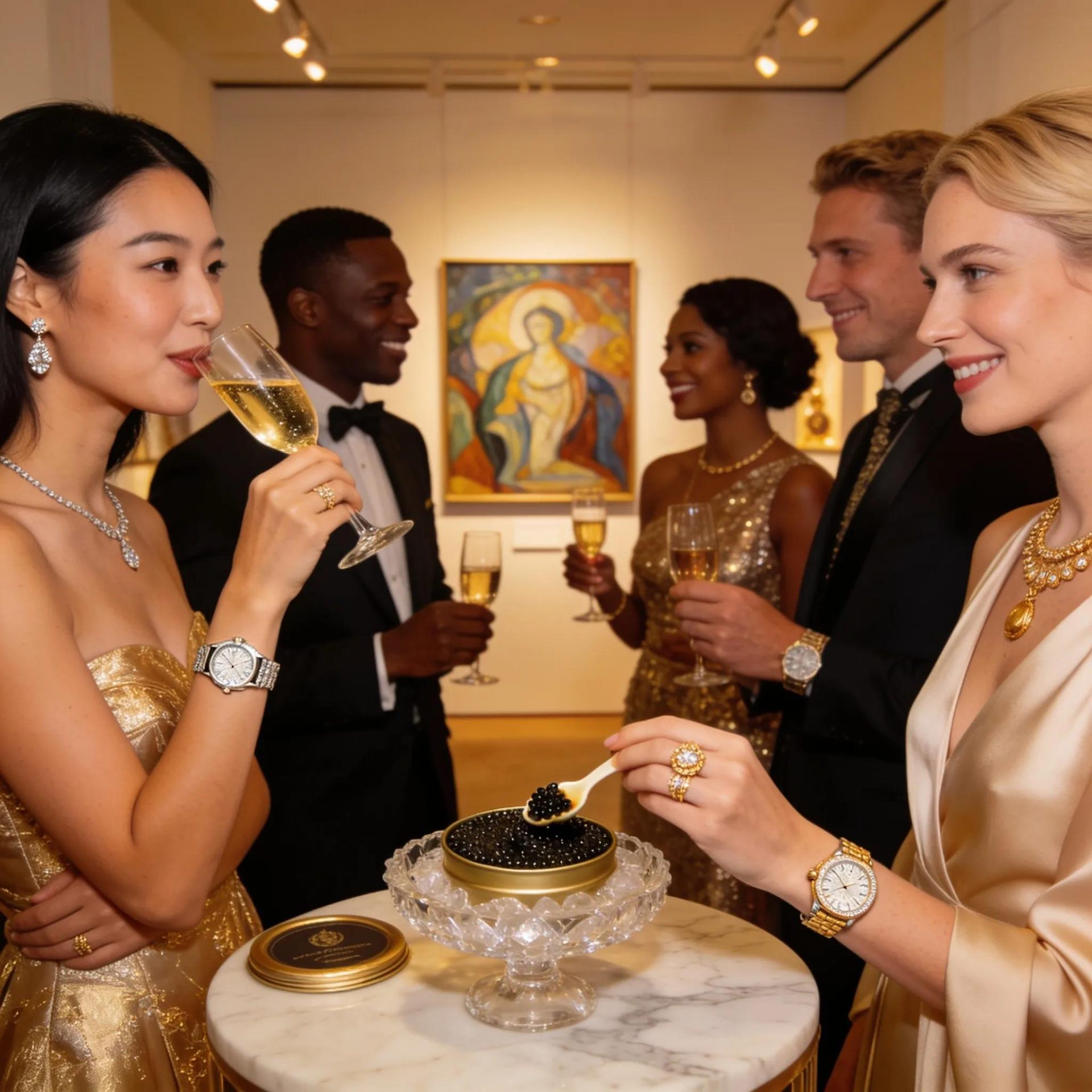
Wealth distribution significantly impacts luxury consumption patterns and market segmentation. In recent years, growing income inequality has driven brands to tailor their offerings to specific consumer segments, creating a stratified market landscape. This segmentation allows luxury brands to better target their products and marketing strategies, enhancing customer engagement and loyalty.
What Role Does Income Inequality Play in Luxury Market Segmentation?
Income inequality serves as a primary factor in luxury market segmentation. Brands are increasingly aware that different wealth tiers have distinct purchasing motivations and preferences. For instance, while ultra-high-net-worth individuals () may seek exclusive, bespoke products, middle-high net worth consumers might prioritize brands that offer a balance of luxury and accessibility. This nuanced understanding of market segmentation enables brands to develop more effective marketing strategies tailored to various income groups.
How Are High Net Worth Individuals Driving Contemporary Luxury Demand?
High net worth individuals are driving contemporary luxury demand through their unique consumption patterns and preferences. This demographic often seeks out exclusive experiences rather than just products, valuing personalization and high-quality service. Luxury brands must recognize and respond to this shift by enhancing their offerings to include personalized shopping experiences, tailored travel, and exclusive events that cater to the specific desires of . Recent trends show that a significant portion of luxury purchases are influenced by personal recommendations and exclusivity.
Which Regional Economic Changes Affect Luxury Markets in North America, Europe, and Asia-Pacific?
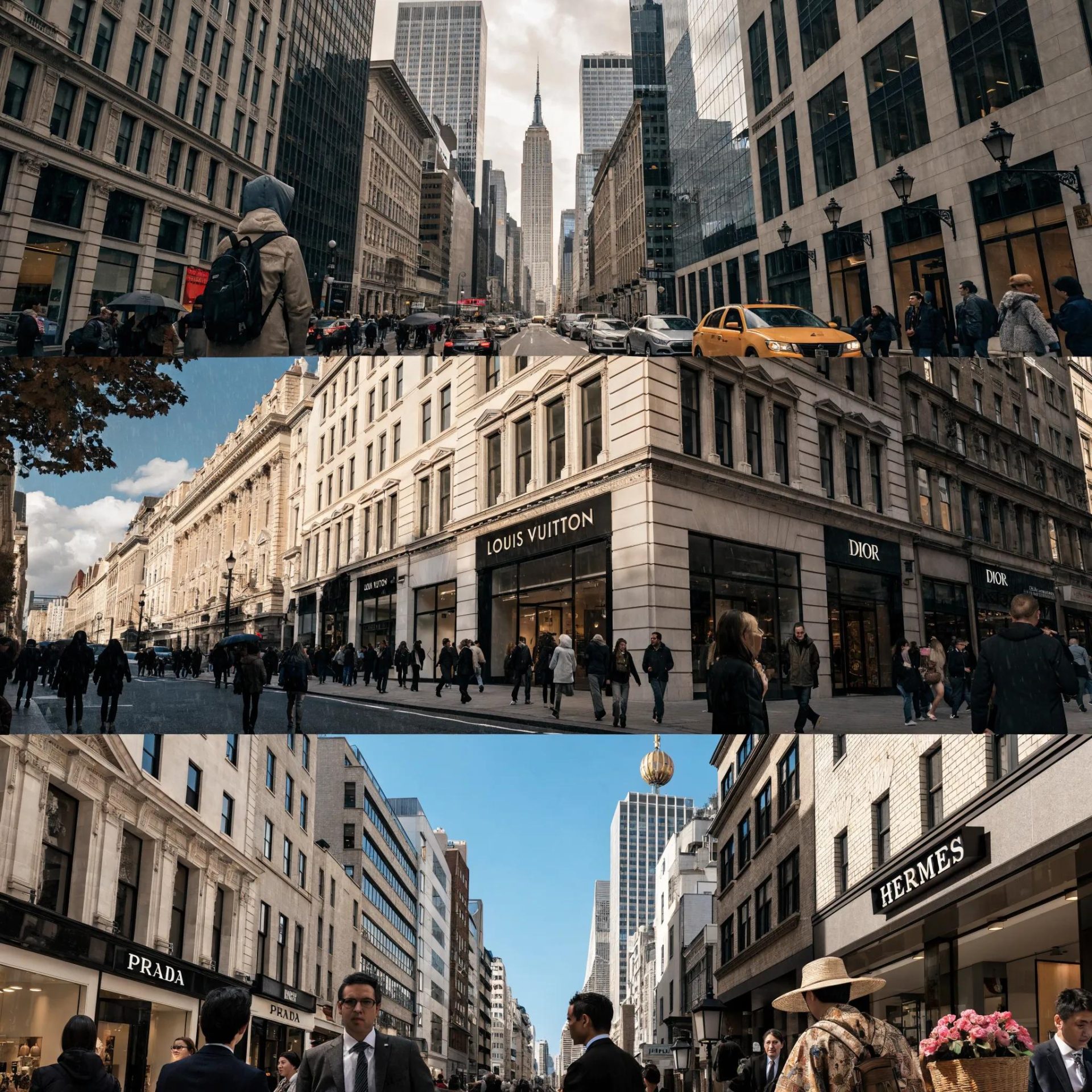
Regional economic changes play a pivotal role in shaping luxury market dynamics across different parts of the world. North America, Europe, and Asia-Pacific exhibit unique economic characteristics that affect consumer spending behaviors and luxury consumption trends. Understanding how these variations impact the luxury market can help brands adapt their strategies successfully.
How Do Economic Cycles Differently Impact Luxury Consumption Across Regions?
Economic cycles influence luxury consumption in distinct ways across regions. In North America, luxury purchases are often more resilient during economic downturns compared to other regions, driven by a robust base of . Conversely, in Europe, consumer sentiment can be more volatile, with luxury sales directly correlated to shifts in economic confidence. Meanwhile, Asia-Pacific has witnessed burgeoning demand as emerging markets like China continue to experience rapid economic growth, leading to new luxury consumers entering the market.
What Are the Emerging Luxury Market Trends in Asia-Pacific Linked to Economic Indicators?
Emerging luxury market trends in Asia-Pacific are closely linked to various economic indicators. As economic stability in countries like China and India continues to rise, a new class of affluent consumers is defining luxury spending patterns. Reports indicate that luxury sales in Asia-Pacific are projected to grow significantly over the next several years, fueled by young, affluent consumers who prioritize luxury lifestyle experiences and sustainable products.
What Post-2023 Market Trends Reveal on the Intersection of Economic Indicators and Luxury Sales?
Post-2023 market trends highlight significant shifts in the luxury landscape, increasingly influenced by economic indicators. As the world continues to navigate the aftermath of the pandemic and economic fluctuations, luxury brands need to remain agile and adaptable to meet evolving consumer demands.
Which Economic Factors Have Most Impacted Luxury Goods in 2024-2026?
In the years 2024-2026, key economic factors such as fluctuating inflation rates and changing labor markets are projected to impact luxury goods significantly. A focus on sustainable practices and ethical consumption is emerging as consumers increasingly demand transparency from brands. Additionally, rising interest rates may influence consumer behavior, causing a shift toward more value-oriented luxury products.
How Are Luxury Brands Adapting Strategies to Global Economic Fluctuations?
Luxury brands are adapting their strategies to align with global economic fluctuations by prioritizing resilience and innovation. Companies are investing in technology to enhance customer experiences, implementing data-driven approaches to understand consumer behavior better. Moreover, many brands are expanding their offerings to include more entry-level luxury products, ensuring that they remain accessible to a broader consumer base while preserving their luxury brand positioning. This strategic flexibility is essential for navigating the complex luxury landscape effectively.
How Can Forecasting Economic Data Enhance Luxury Market Demand Predictions?
Forecasting economic data is crucial for luxury brands aiming to predict market demand accurately. Understanding economic trends allows companies to make informed decisions about production, inventory, and marketing strategies. With the capacity to foresee shifts in consumer sentiment and spending behavior, brands can fine-tune their approaches to optimize sales.
What Models Best Correlate Economic Indicators With Luxury Sales Growth?
Several models stand out in correlating economic indicators with luxury sales growth, including econometric analysis and consumer sentiment surveys. These models help brands identify key drivers of purchase behavior, allowing them to adjust product offerings and marketing strategies accordingly. For instance, a brand that observes rising consumer confidence can ramp up marketing efforts and product launches to capitalize on increased spending potential.
How Do Consumer Confidence Indices Inform Luxury Brand Market Positioning?
Consumer confidence indices play a significant role in informing luxury brand market positioning. Brands that closely monitor these indices can gain valuable insights into potential changes in consumer spending and behavioral trends. By adapting their strategies in response to shifts in consumer confidence, luxury brands can better position themselves to capture emerging opportunities and mitigate risks.